Latest News
News Articles
New paper: standardising Peet-Grady bioassays for passive spatial emanators
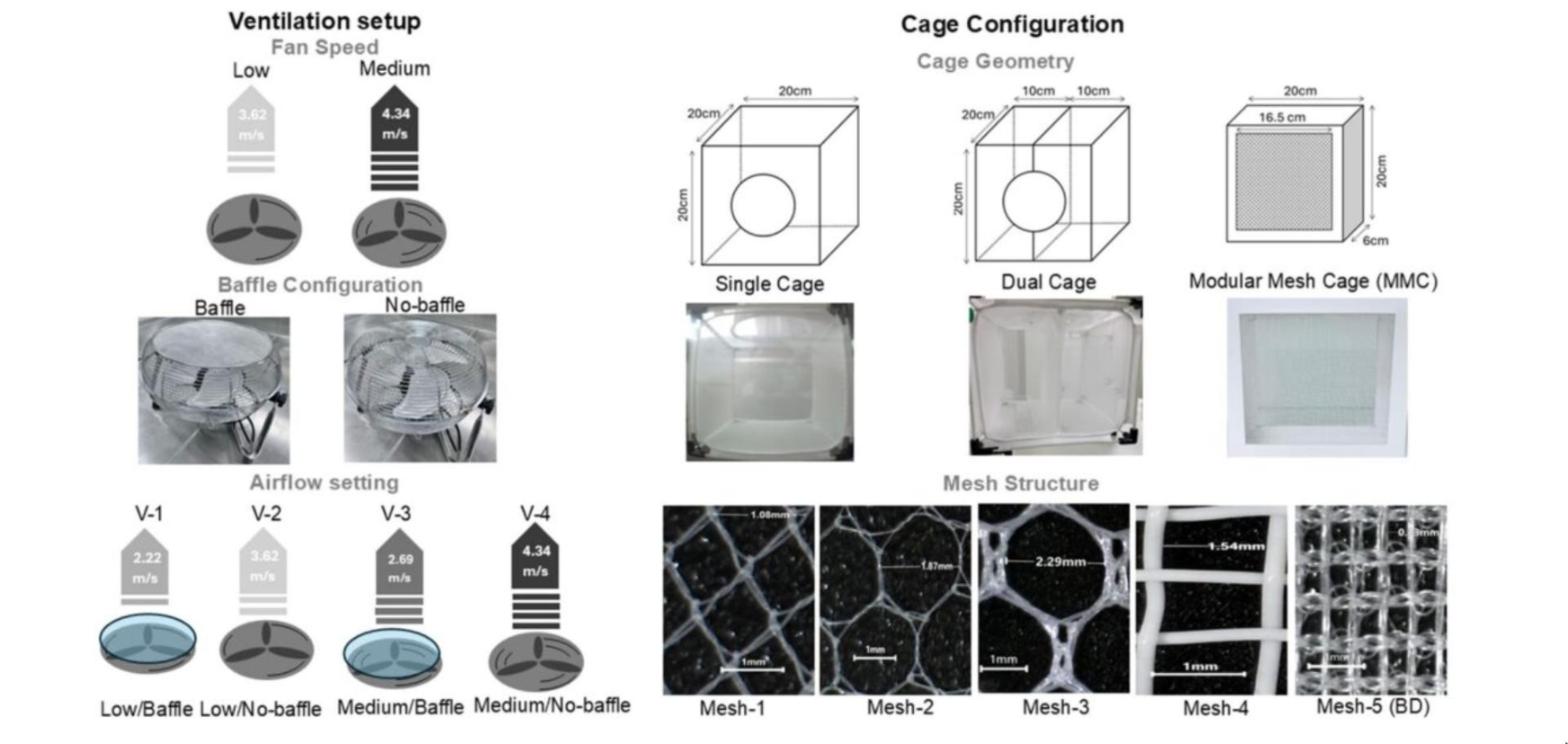
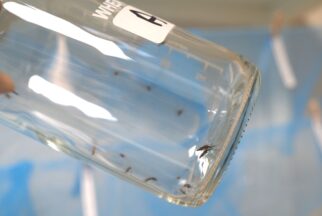
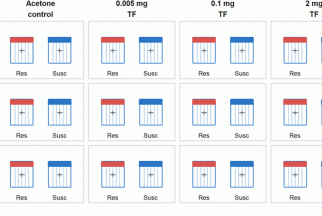
A new paper from the group — led by Fabricio Martins, with Tim Hill and Rosemary Lees — has been published in Scientific Reports, asking how the physical and operational set-up of a Peet-Grady chamber shapes mosquito responses to passive spatial emanators. Susceptible and pyrethroid-resistant Anopheles gambiae were exposed to a transfluthrin treated paper while airflow settings, mosquito-holding cage design and cage mesh structure were varied systematically, with flight inhibition and 24-hour mortality as the endpoints.
The assay was highly reproducible, and airflow had the strongest influence on flight inhibition — the odds of flight inhibition were 6- to 10-fold higher without a baffle on the fan — while larger mesh apertures also increased flight inhibition and cage geometry had little effect, supporting a higher-throughput dual-cage configuration. Mortality at 24 hours varied less across set-ups, suggesting flight inhibition may be the more sensitive endpoint. These findings feed directly into the standardisation of passive spatial emanator bioassays. The paper is available open access.
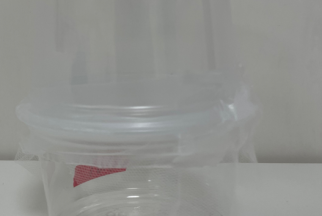
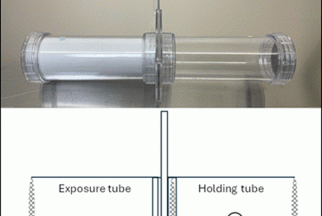
Preprint: a benchtop two-tube assay for monitoring transfluthrin susceptibility