Latest News
News Articles
Methods group presents at the 2nd INOVEC Conference
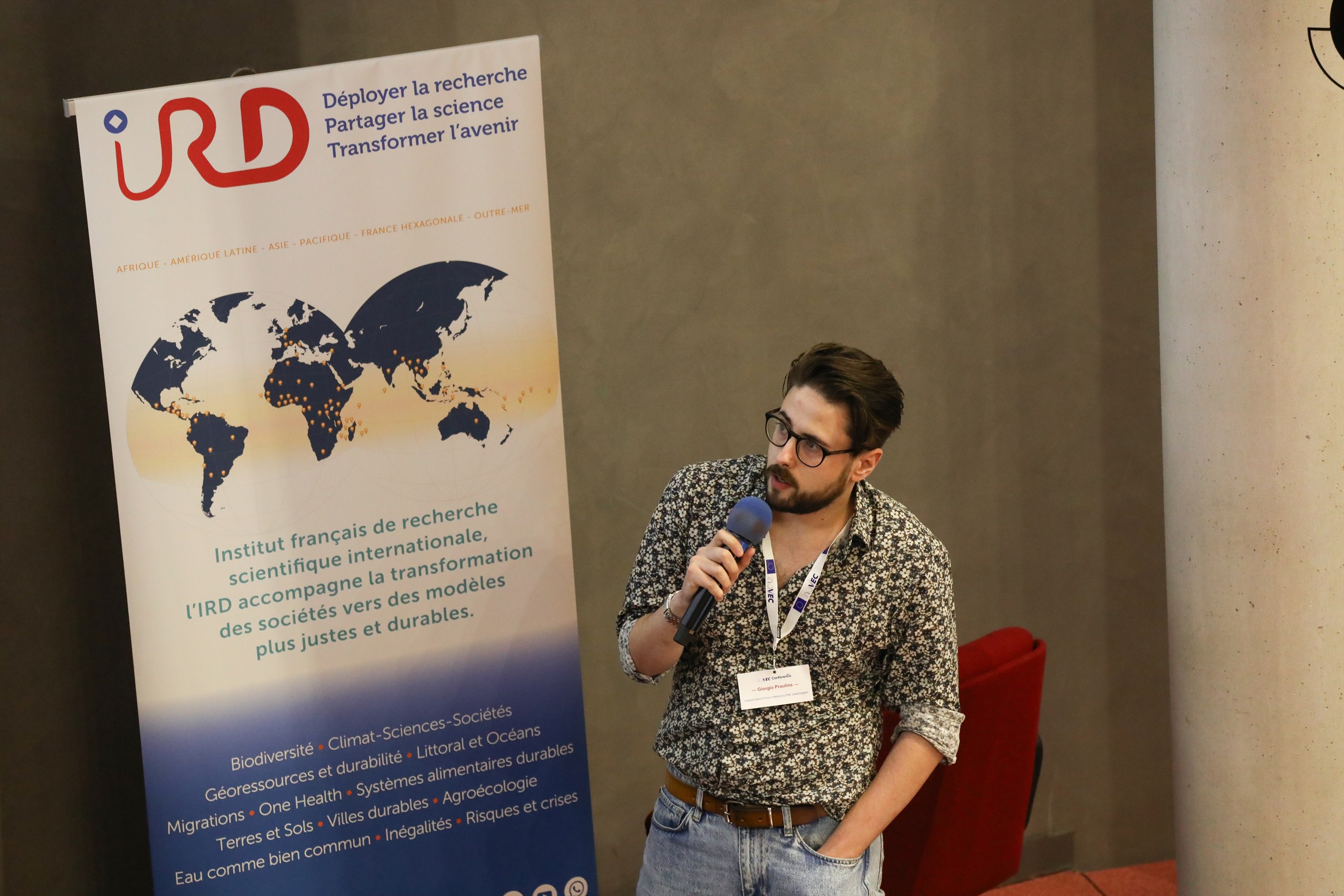
Giorgio Praulins presented the group’s methods for volatile insecticides at the 2nd INOVEC Conference in Montpellier (7–8 October), with a Turbo Talk and poster covering the two-tube susceptibility assay and Peet-Grady chamber methods, including example data in Anopheles and Aedes.
Volatile insecticides such as transfluthrin are entering vector control, and volatile actives are being explored against the Aedes vectors of dengue, chikungunya and Zika. Standard WHO tube and CDC bottle tests measure contact exposure, so there is currently no standard way to ask whether a population is still susceptible when the insecticide reaches the mosquito as a vapour.
The poster sets out two complementary methods. The Two Tube Volatile Assay (TTVA) is a benchtop assay for intrinsic activity and susceptibility under vapour-only exposure, using equipment familiar to any laboratory already running WHO tube tests. The Peet-Grady chamber protocol gives a more detailed picture of the response over time, with caged or free-flight exposure and endpoints including knockdown time course, 24-hour mortality, blood-feeding inhibition and video tracking of position and movement.
Example data in An. gambiae (Kisumu and Tiassalé 13) and Ae. aegypti (New Orleans and Cayman) show both methods consistently separating susceptible from pyrethroid-resistant strains. Preprints describing both methods are linked from the poster.
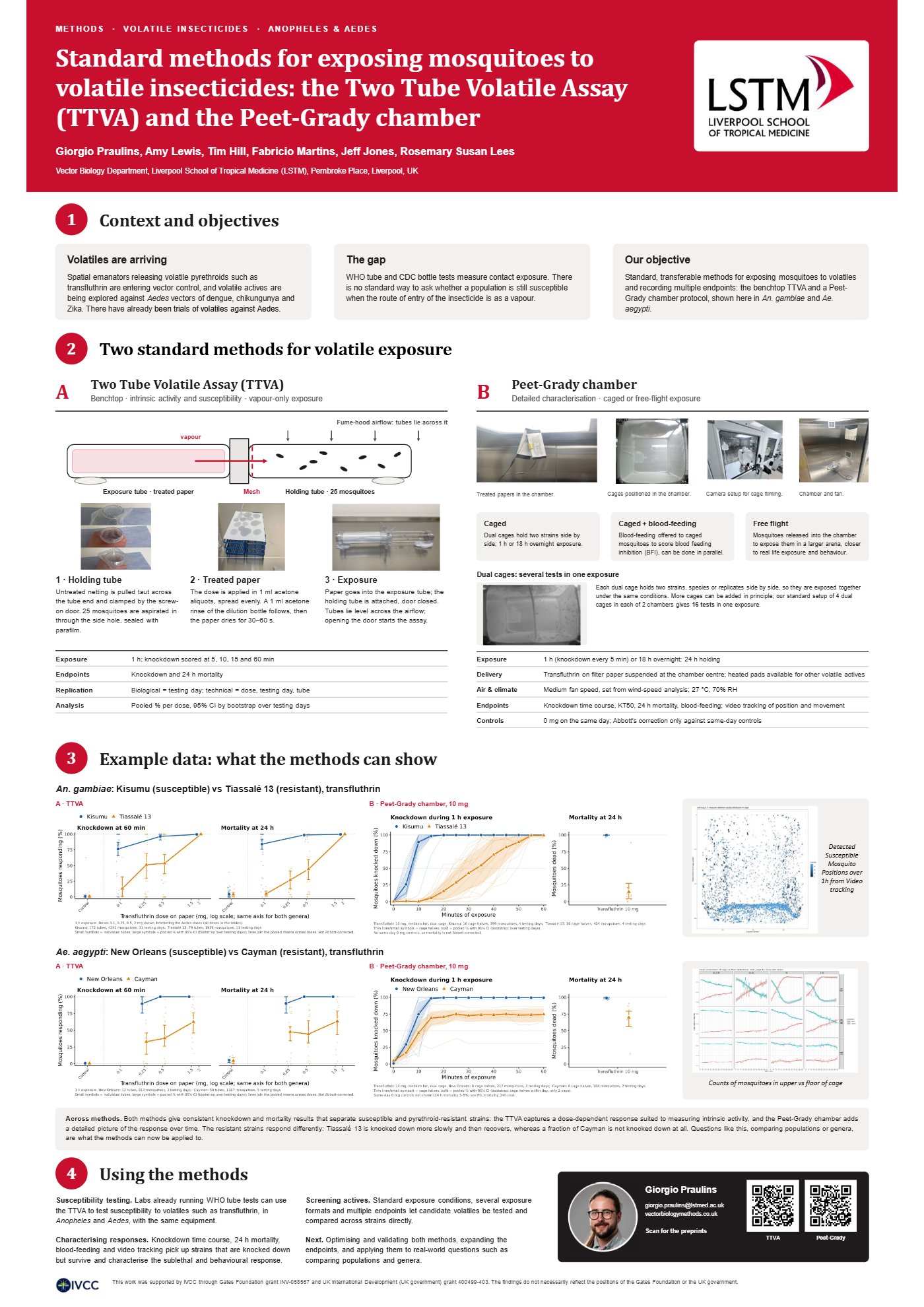
The conference poster — click to open the PDF.
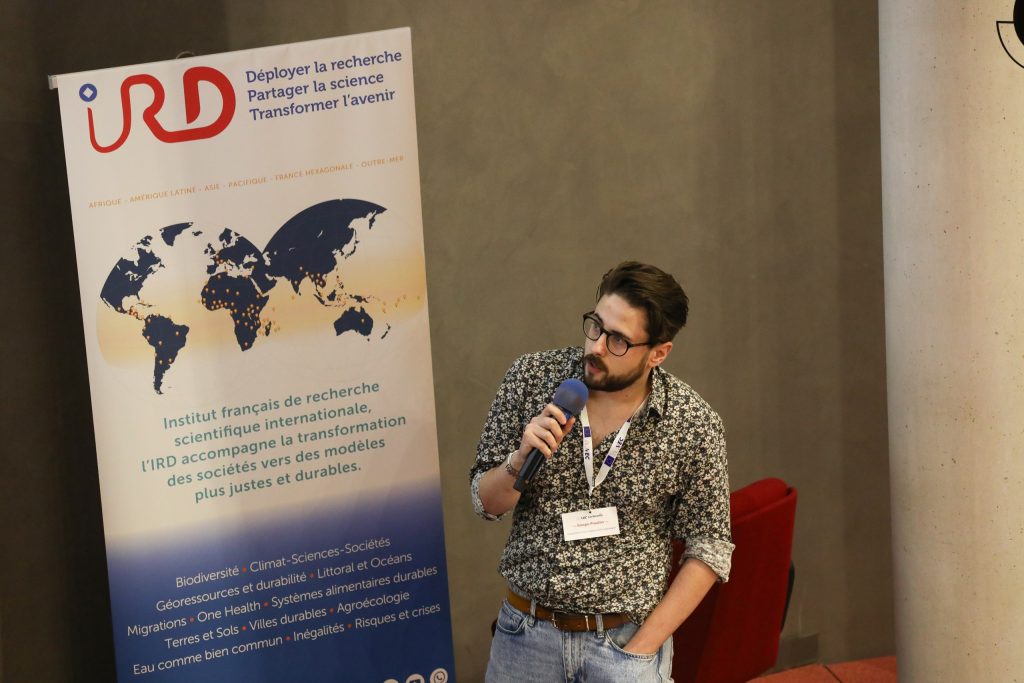
Gio presenting the group’s methods Turbo Talk at Agropolis International, Montpellier. Photo © Elisa Llop.
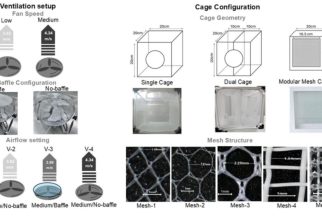
New paper: standardising Peet-Grady bioassays for passive spatial emanators
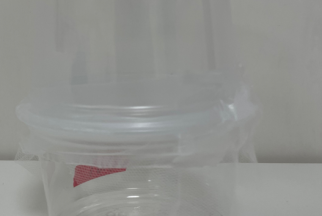
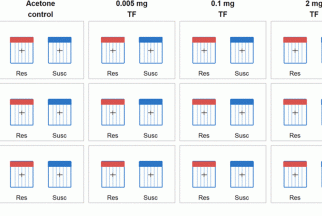
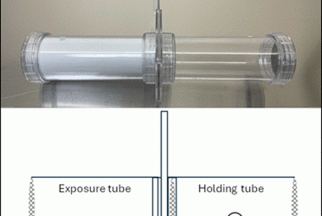
Preprint: a benchtop two-tube assay for monitoring transfluthrin susceptibility